Strategic Necessity
The economic function of the asset, the importance of the service it provides and the durability of underlying demand.
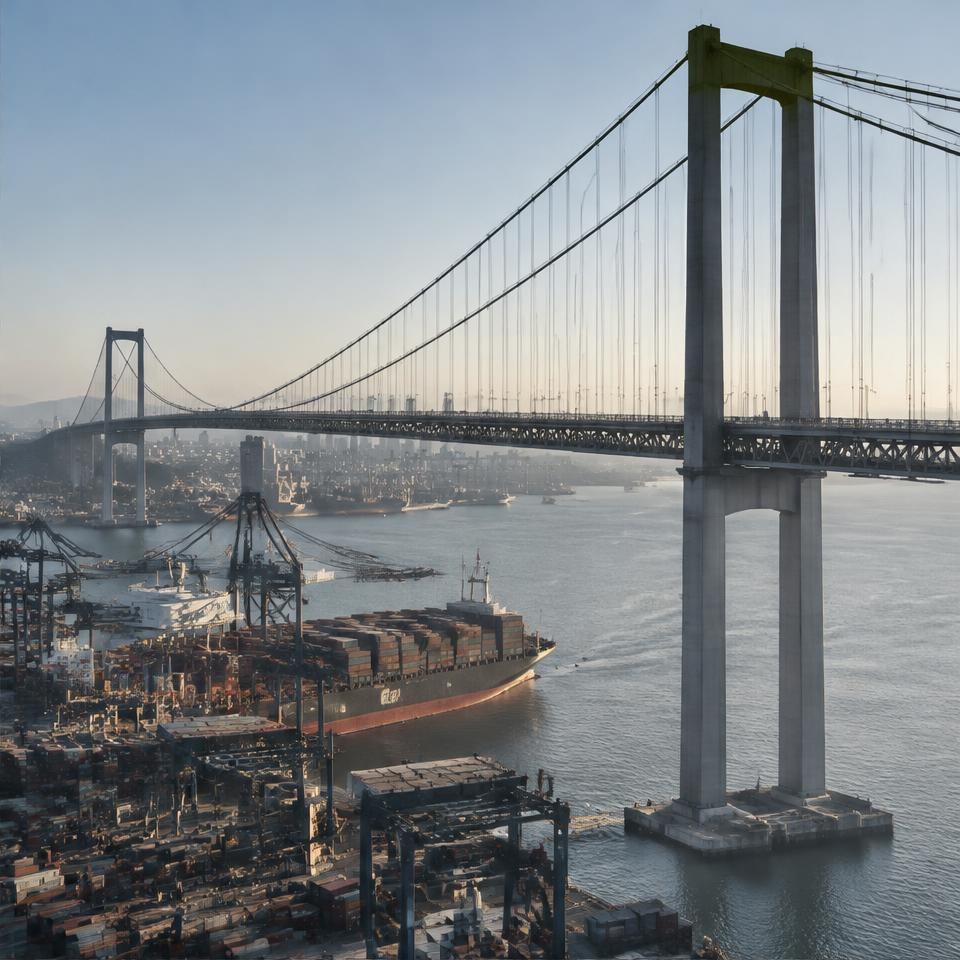
Building the Foundations of Progress.
Long-term capital for the essential systems that connect economies, enable commerce and support development.
Infrastructure
Infrastructure is the foundation upon which modern economies operate. From energy and transportation to digital connectivity and essential utilities, these assets sustain economic activity, connect communities and support the movement of people, goods and information.
SpetsGroup Infrastructure focuses on investment opportunities across essential networks and strategic assets, applying disciplined capital allocation, rigorous evaluation and a long-term perspective on ownership, development and operation.
Infrastructure occupies a distinctive position within the investment landscape. Its assets often require substantial initial capital, extended development periods and specialized operating expertise. In return, certain infrastructure investments may benefit from durable demand, long-term contractual arrangements or an essential role within the economy.
These characteristics do not eliminate risk. Project execution, financing conditions, regulation, technology, demand and political developments can materially affect outcomes.
Our approach begins with an understanding of the asset, the market it serves and the framework under which it operates.
The economic function of the asset, the importance of the service it provides and the durability of underlying demand.
Capital requirements, revenue mechanisms, operating costs, financing structure, contractual protections and potential cash-flow resilience.
The asset's operational integrity, maintenance requirements, environmental considerations, governance and capacity to remain productive over time.
The objective is to identify opportunities in which the underlying asset, investment structure and long-term capital commitment are aligned.
Our Infrastructure Investment Areas
Infrastructure is not a single market. Each sector has its own demand drivers, technical requirements, regulatory environment and risk profile.
SpetsGroup evaluates opportunities across established infrastructure categories and selected emerging networks where long-term investment may support essential economic activity.
01
Powering economies. Supporting continuity.
Investment analysis considers demand, energy-market exposure, regulatory frameworks, technology, operating performance and the capital required to maintain and modernize assets.
02
Connecting markets. Moving commerce.
Our assessment considers traffic and utilization patterns, geographic importance, competing routes, concession terms, maintenance obligations and the relationship between economic activity and asset demand.
03
The physical foundations of a connected world.
Key considerations include utilization, power availability, network connectivity, technological obsolescence, cybersecurity, customer concentration and the capital intensity of expansion.
04
Reliable services. Long-term responsibility.
We assess the sustainability of demand, operating efficiency, infrastructure condition, applicable service obligations, tariff frameworks and the funding required for continued reliability.
05
Infrastructure that serves communities.
Evaluation considers the contractual allocation of responsibilities, the financial standing of counterparties, service requirements, lifecycle costs and the long-term viability of the operating model.
06
Preparing essential systems for what comes next.
Economic development, demographic change and technological advancement can create new infrastructure requirements. These opportunities may involve evolving technologies, less established business models or more complex development and execution risks.
Depending on the opportunity, areas of consideration may include advanced energy systems, new forms of resource infrastructure, strategic industrial networks and emerging connectivity systems.
We assess these investments on their underlying economics and operational requirements rather than technological novelty alone.
How We Invest
Infrastructure investments require alignment between the physical asset, its economic purpose, the capital structure and the obligations associated with ownership.
SpetsGroup considers several investment approaches, selecting the structure according to the characteristics of the opportunity and the requirements of the mandate.
Where appropriate, direct ownership can provide greater influence over strategic direction, capital expenditure, operating priorities and long-term asset development.
Partnerships with experienced operators, developers, infrastructure owners and institutional investors can combine capital with technical expertise, local knowledge and established operating capabilities.
Selected opportunities may involve financing or investing during the planning, construction, expansion or modernization of an infrastructure asset. These investments require particular attention to execution risk, completion requirements and funding commitments.
Assets operating under concessions, availability-based arrangements, long-term service contracts or other defined frameworks may offer identifiable revenue mechanisms. Their value depends on the terms, enforceability, counterparties and continuing performance of those arrangements.
In selected cases, capital may be deployed into operating platforms or portfolios that own, develop or manage multiple infrastructure assets, providing exposure across a defined sector, geography or operating strategy.
No structure is appropriate in every circumstance. Our preference is guided by the investment thesis, the level of control required, the allocation of risk and the capacity to create durable value.
From Investment Thesis to Long-Term Ownership
Infrastructure requires a perspective that extends beyond the initial transaction. Assets must be evaluated, financed, developed or acquired, operated and maintained across long periods.
Our investment framework addresses the principal stages of that lifecycle.
01
Understand the asset's purpose, market position, demand drivers, competitive alternatives and relevance to the broader infrastructure landscape.
02
Assess asset condition, engineering requirements, operating performance, counterparties, contractual arrangements and the assumptions supporting the investment case.
03
Evaluate capital expenditure, financing requirements, projected cash flows, debt capacity, contractual revenue, downside scenarios and potential financing constraints.
04
Examine construction and completion exposure, operating responsibilities, regulatory obligations, environmental and social considerations, insurance and contractual protections.
05
Monitor operating performance, maintenance, capital deployment, compliance and the continued alignment of management decisions with the long-term investment thesis.
06
Reassess asset performance, changing market conditions, capital requirements and potential strategic alternatives, including continued ownership, expansion, refinancing or disposal where appropriate.
The framework is adapted to the asset's stage of development, investment structure and operating environment.
Resilience Across Economic Cycles
Infrastructure investment often involves assets with extended useful lives and substantial ongoing capital requirements. A long investment horizon can create opportunities, but it also increases exposure to changes that may unfold over years or decades.
We therefore consider resilience as a fundamental investment question.
Our assessment may address:
Where revenue depends on market prices, usage volumes or regulated tariffs, the relevant sensitivities must be understood and incorporated into the investment case.
Infrastructure does not inherently guarantee stable cash flows or protection against inflation. Resilience depends on the specific asset, its contracts, its financing and the environment in which it operates.
Infrastructure Within a Broader Capital Strategy
Infrastructure intersects with several of the investment capabilities within SpetsGroup Capital.
These connections can create opportunities for coordinated analysis and capital deployment while preserving the distinct investment thesis and risk assessment required for each asset.
Our approach is to evaluate the opportunity as a whole, identify the capabilities it requires and select an investment structure consistent with the mandate.
Ownership capital for infrastructure operating businesses and platforms.
Financing needs associated with assets, operators or projects.
Logistics facilities and other property-intensive assets.
Energy, resource transportation and related infrastructure.
Intelligence in Service of Infrastructure
Infrastructure investments depend on the integration of financial, technical, commercial, legal and operational information.
Through Aletheia, SpetsGroup's Group Intelligence & Operating Platform, relevant information and analytical workflows can support investment assessment, scenario analysis, reporting and ongoing oversight.
Depending on the asset and mandate, this may include monitoring operating indicators, capital expenditure, contractual milestones, financial sensitivities and material changes in the investment environment.
Technology supports the investment process; it does not replace engineering expertise, local knowledge, independent due diligence or accountable decision-making.
Intelligence informs. Judgment decides. Governance safeguards.
Essential infrastructure demands capital capable of understanding complexity, accepting responsibility and taking a long-term view.
SpetsGroup approaches infrastructure through disciplined investment analysis, appropriate structuring and an emphasis on the productive role of the underlying asset.
Discover the wider investment capabilities of SpetsGroup.
Contact our team to discuss potential investments, partnerships and institutional mandates.
Infrastructure investments may involve illiquidity, substantial capital commitments, construction and completion risk, operating and maintenance costs, leverage, interest-rate exposure, regulatory and political uncertainty, environmental obligations, demand volatility and counterparty risk. Investments in development-stage projects may be exposed to delays, cost overruns and failure to achieve expected operating performance. Contractual or regulated revenue arrangements do not eliminate investment risk. Investment activities, advisory services, financing arrangements and transactions are subject to applicable law, relevant authorizations, due diligence and the terms of the specific mandate. Nothing on this page constitutes an offer, recommendation or guarantee of investment performance.